Հոգեւոր
Հրապարակված է: 07/01/2026
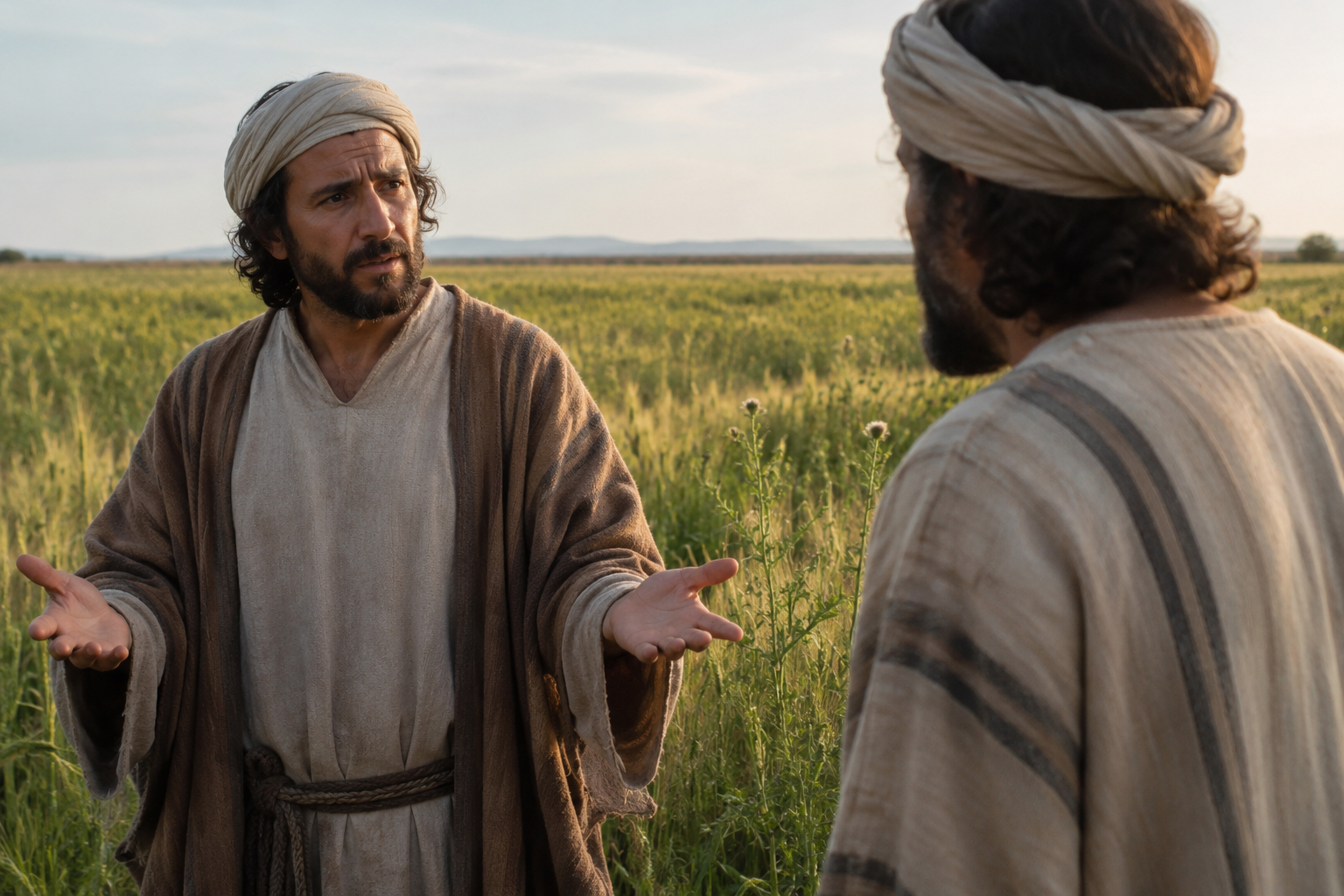
“Master, did you not sow good seed in your field? Where, then, did these weeds come from?”
(Matthew 13:27)
The question about the weeds that we hear in the Gospel is not only the question of the servants; it is also our question. When we see evil, injustice, suffering, and trials in our lives and in the world, we too often ask, “Lord, if You sow good seed, then where do these weeds come from?”
Through this parable, Jesus Christ teaches us an important truth. God created the world good. He created humanity in His own image and likeness and gave us the ability to love, to create, and to do good. But God also gave us free will. And when a person turns away from God, when the heart gives room to sin, envy, hatred, and selfishness, weeds begin to grow alongside the good seed.
This parable is not only about the world, but also about each one of us. God is constantly sowing good seed in our hearts—the seeds of faith, love, peace, and mercy. But when we become indifferent to prayer, when we allow anger, pride, or judgment to take root within us, weeds begin to grow alongside those good seeds.
Today, people often want quick answers and immediate solutions. Yet the Lord looks upon the field with patience. He does not want the wheat to be harmed together with the weeds. God waits, giving us the opportunity to repent, to be renewed, and to return to Him. His purpose is not to condemn, but to save.
The Parable of the Weeds calls us first of all to look into our own hearts. Instead of speaking only about the weeds in the world, let us ask ourselves: What is growing in my heart and soul? Am I caring for the good seed that God has sown? Are love, faith, forgiveness, and peace growing in my life?
Let us ask the Lord to help us cleanse the field of our hearts, so that the good seed He has planted may grow abundantly there. And when the day of the spiritual harvest comes, may our lives be found not among the weeds, but among the ripe wheat.
Deacon MIKAYEL MARGARYAN